- Engineering & Quality
Important
Decisions Happen
Before Machining.
Send the released drawing, critical features and reporting needs. Dawnmill connects manufacturability review, process planning, production checks, final inspection and agreed records around the same project basis.
- Manufacturing review before production
- Project-defined reports & traceability
- CMM & optical measurement
- NDA available before file sharing
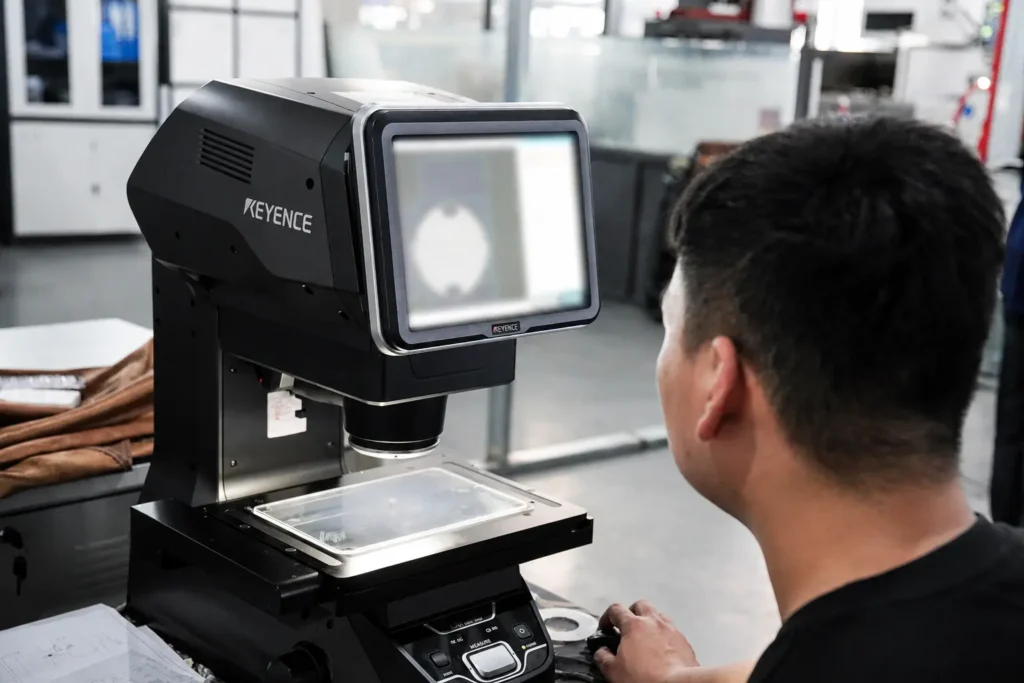
Dawnmill optical measurement · real inspection equipment in operation
Current release.
Appropriate controls.
Agreed evidence.
- Our approach
Turn Requirements
into a Controlled Route.
For a complex part, quality is not a final checkpoint. It is the connection between the current release, the manufacturing route, useful checks and the evidence needed at delivery.
Lock the Project Basis
Confirm the current drawing revision, material, quantity, finish and critical requirements.
Review Manufacturability
Consider geometry, tool access, datums, tolerance relationships and finishing risk.
Plan the Route & Checks
Define workholding, process sequence, coordinated operations and practical verification points.
Control Production
Apply the agreed checks while critical features remain accessible and corrective action is practical.
Verify & Release
Inspect the final condition and prepare only the records agreed for the project.
- Clear before production.
- Visible through production.
- Verified before release.
- Engineering support
Ask the Manufacturing Questions
Before the First Setup.
We focus on the choices that affect how the part will be held, machined, coordinated, finished and inspected. When something is unclear or route-changing, we bring it forward.
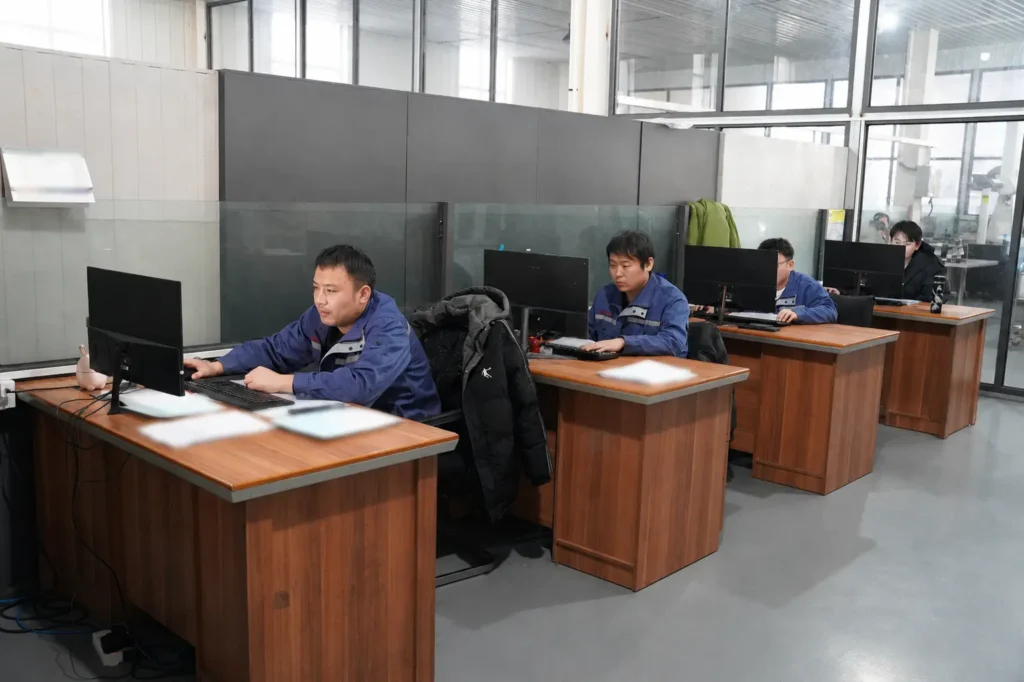
Geometry & Tool Access
Identify deep features, thin walls, internal corners and access conditions that may change the manufacturing route.
Datums & Tolerance Relationships
Connect critical dimensions and GD&T relationships to realistic setups and inspection access.
Workholding & Deformation Risk
Consider how the component can be supported through material removal, EDM and secondary operations.
Finishing & Inspection Allowance
Plan protected surfaces, finishing allowance and verification around the required final condition.
Your team
Owns product function, the released design and final approval.
Shared basis
Defines critical features, specifications, acceptance and required evidence.
Dawnmill
Owns product function, the released design and final approval.
Manufacturing support, clearly bounded.
We explain manufacturing implications and practical options. Design changes proceed only after customer review and approval.
- Quality system
Control the Requirement
Where Risk Appears.
The current drawing, material identity and project instructions remain connected to the part through setup, in-process checks, coordinated operations and final release.
Requirement & Material Review
Check material identity, quantity, drawing revision and project-specific instructions before production.
Setup / First-Part Verification
Confirm selected features at the initial stage when the component or production plan requires it.
In-Process Control
Check critical features at useful stages before access is lost or the coordinated route moves forward.
Final Inspection & Release
Review the finished condition and agreed records against the confirmed project basis.
Project-defined, not one-size-fits-all. Control points, first-article activity and reporting scope are agreed from the actual component and program stage.
- Inspection
Match the Measurement
to the Feature.
CMM, optical measurement and precision gauging answer different questions. We select the method around geometry, access, datum relationships and the required result.

Measure what matters—and agree what needs to be recorded.
CMM Inspection
For suitable datum relationships, positions, profiles and coordinated dimensional checks.
Optical Measurement
For suitable profiles, edges, small features and non-contact visual measurements.
Precision Gauging
For bores, diameters, fits and production checks where dedicated or conventional gauging is appropriate.
Agreed Result Reporting
The characteristics, method and report scope are confirmed from the drawing and acceptance requirement.
- Documentation & traceability
Plan the Evidence
Before Production.
Reports and traceability work best when their scope is defined during quotation—before the manufacturing and inspection route is fixed.
Dimensional Reports
Recorded results for the dimensions and critical features defined in the reporting scope.
Material Certificates
Material documentation connected to the confirmed grade and project requirement.
Certificates of Conformance
Conformance confirmation against the agreed project specification when requested.
First-Article Records
Initial verification records when an FAI or first-article package is agreed.
Lot / Part Identification
Identification connected to the agreed material, batch, part or delivery need.
Revision Traceability
Production and applicable records connected to the confirmed drawing revision.
Not every project needs every record. Dimensional reports, material certificates, CoC, FAI and traceability are supplied when included in the agreed project scope.
CONFIDENTIALITY
Many customer components are protected by confidentiality agreements. We do not publish customer drawings or project inspection records.
- Before production
What to Share
for a Better Review.
A complete project basis helps us identify route-changing questions earlier and propose an inspection and record scope that fits the actual requirement.
Current 2D / 3D Files
Share the released or current files and identify the applicable revision.
Material & Final Finish
Include the specified grade, condition, surface finish and approved alternatives.
Quantity & Program Stage
Prototype, NPI, initial batch or repeat-production requirements.
Critical Features & Interfaces
Identify important datums, fits, sealing faces, functional surfaces and relationships.
Inspection & Reporting
State the required measurements, report format and acceptance requirements.
Traceability & Handling
Include identification, packaging, cleanliness or special-handling requirements.
- Essential questions
Clear Answers
Before You Share.
Start with the current files and the requirements that matter most. We will keep the manufacturing boundary and next step clear.
Is Dawnmill’s review the same as product design support?
No. Our review focuses on manufacturability, workholding, process sequence, finishing and inspection. Product function, released design and final approval remain with your team.
What inspection methods are available?
Our available methods include CMM inspection, optical measurement and precision gauging. The appropriate method and reporting scope are confirmed according to the part and project requirements.
Can inspection reports and material certificates be provided?
Yes, when required by the project. Please identify the required reports, certificates and traceability needs during quotation and project review.
Can I request an NDA before sharing confidential files?
Yes. We can arrange an NDA before you share drawings or other confidential project information.
Send the current drawing, critical features and required records. We’ll review the manufacturing, inspection and documentation route and identify the next practical step.
Factory, equipment and inspection photos show real Dawnmill facilities. AI-generated visuals are used only for confidential component and application concepts tied to Dawnmill’s served industries and available manufacturing processes; they are not customer parts, factory evidence or test records.